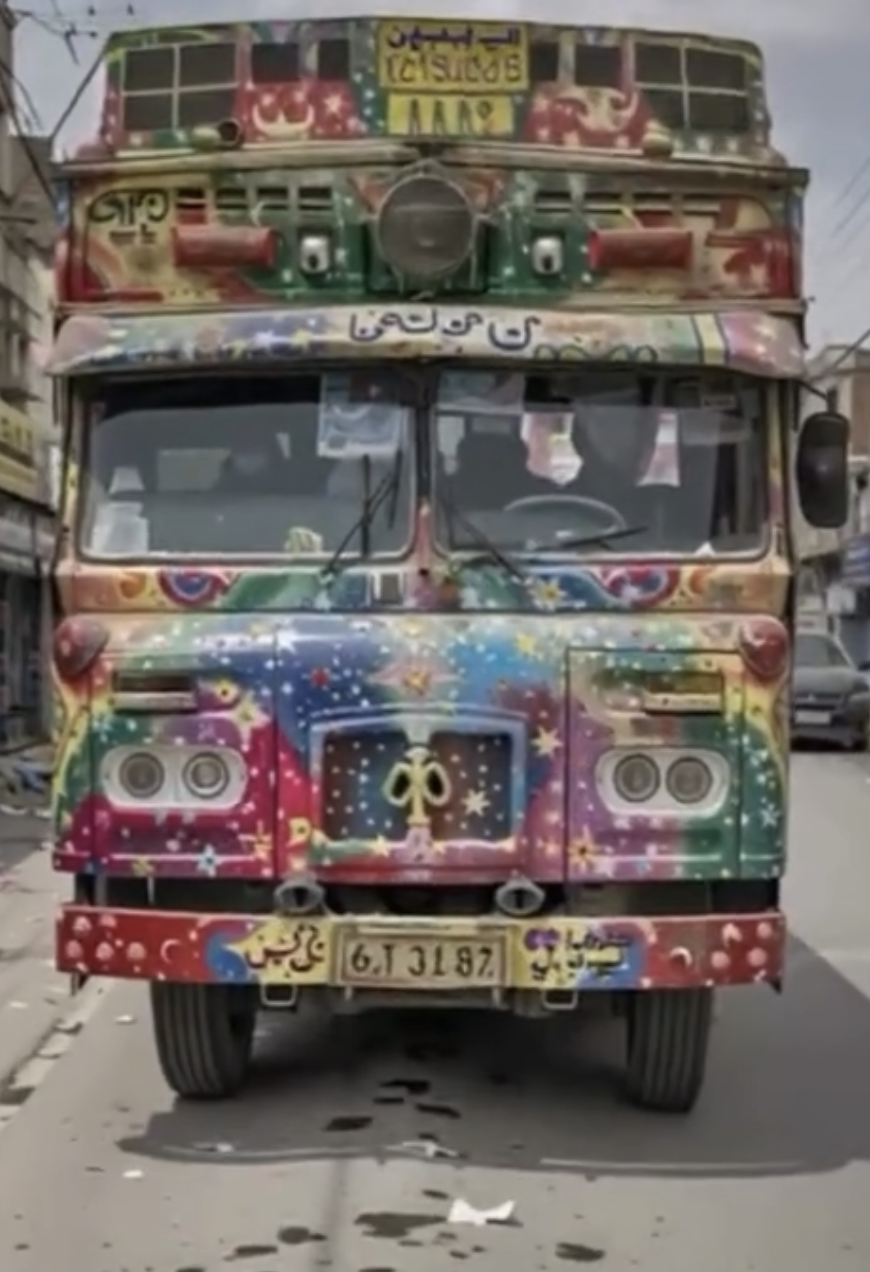
FACTORY WEATHEr
The project developed through two residencies exploring the historical and material links between Pakistan and Lancashire — first in Islamabad, then in Lahore.
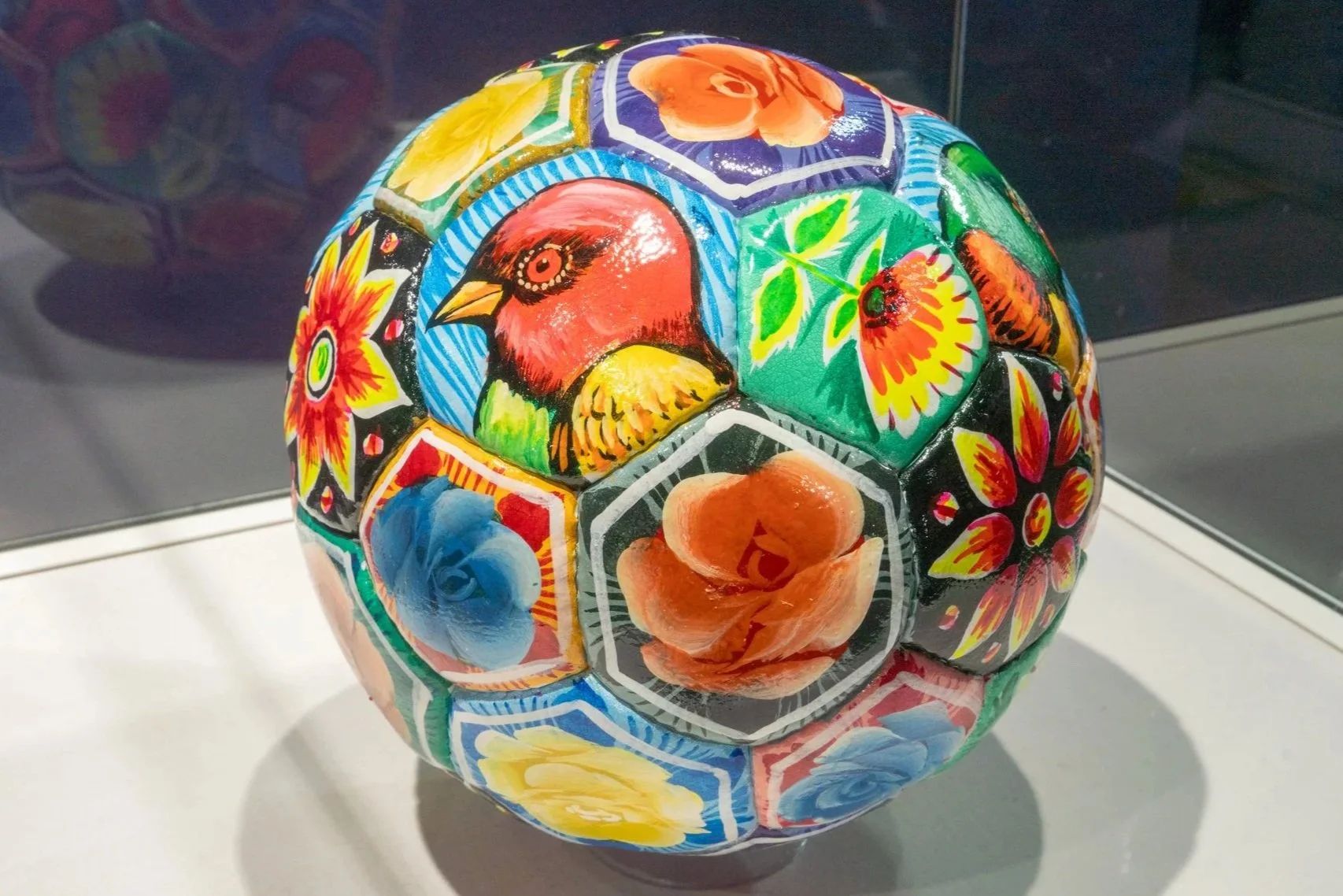
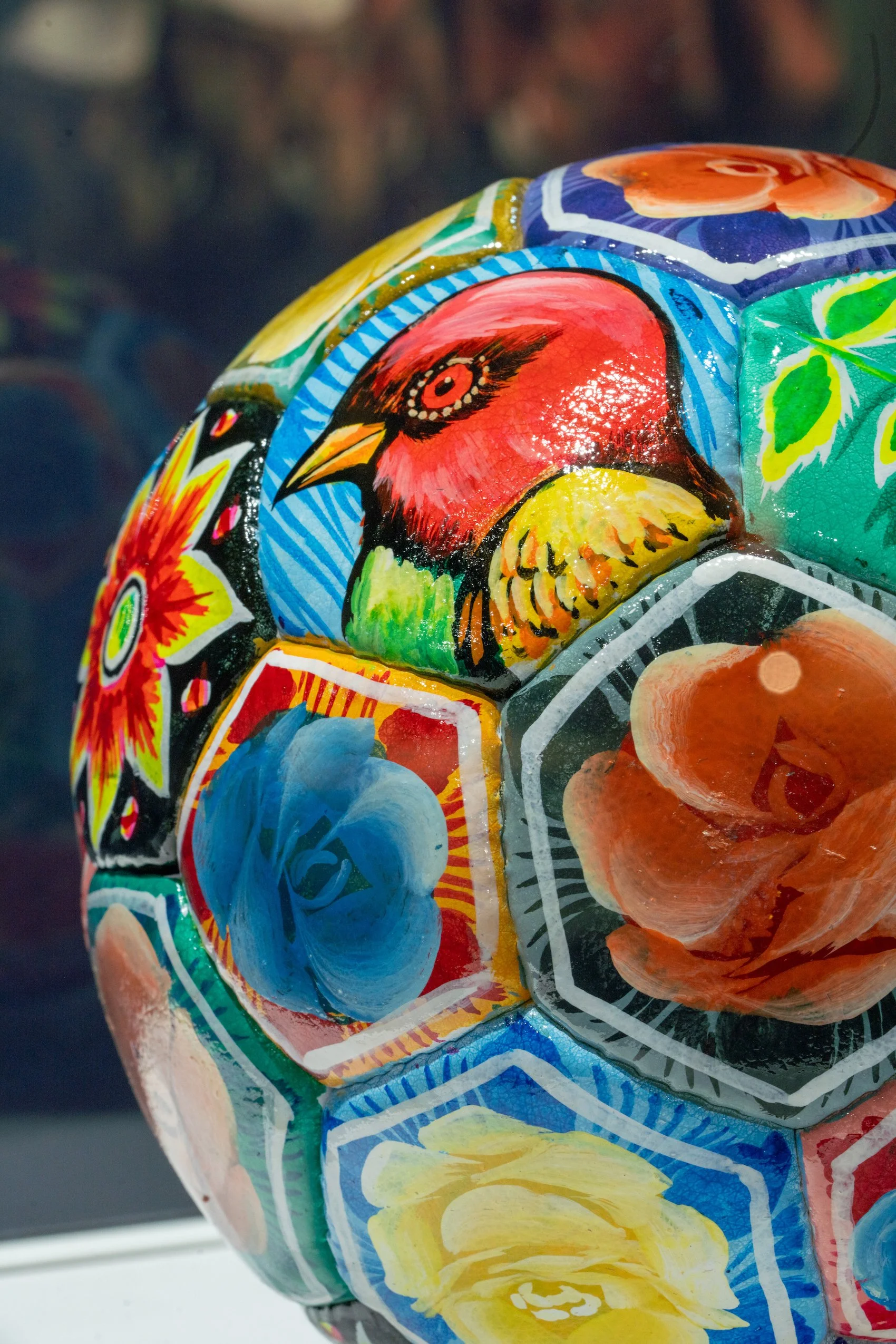
The research for Factory Weather began with handmade footballs produced in Sialkot, Pakistan, tracing a history that runs back to the founding of the Football League and the colonial trade economy of the late nineteenth century.
Exhibited in…
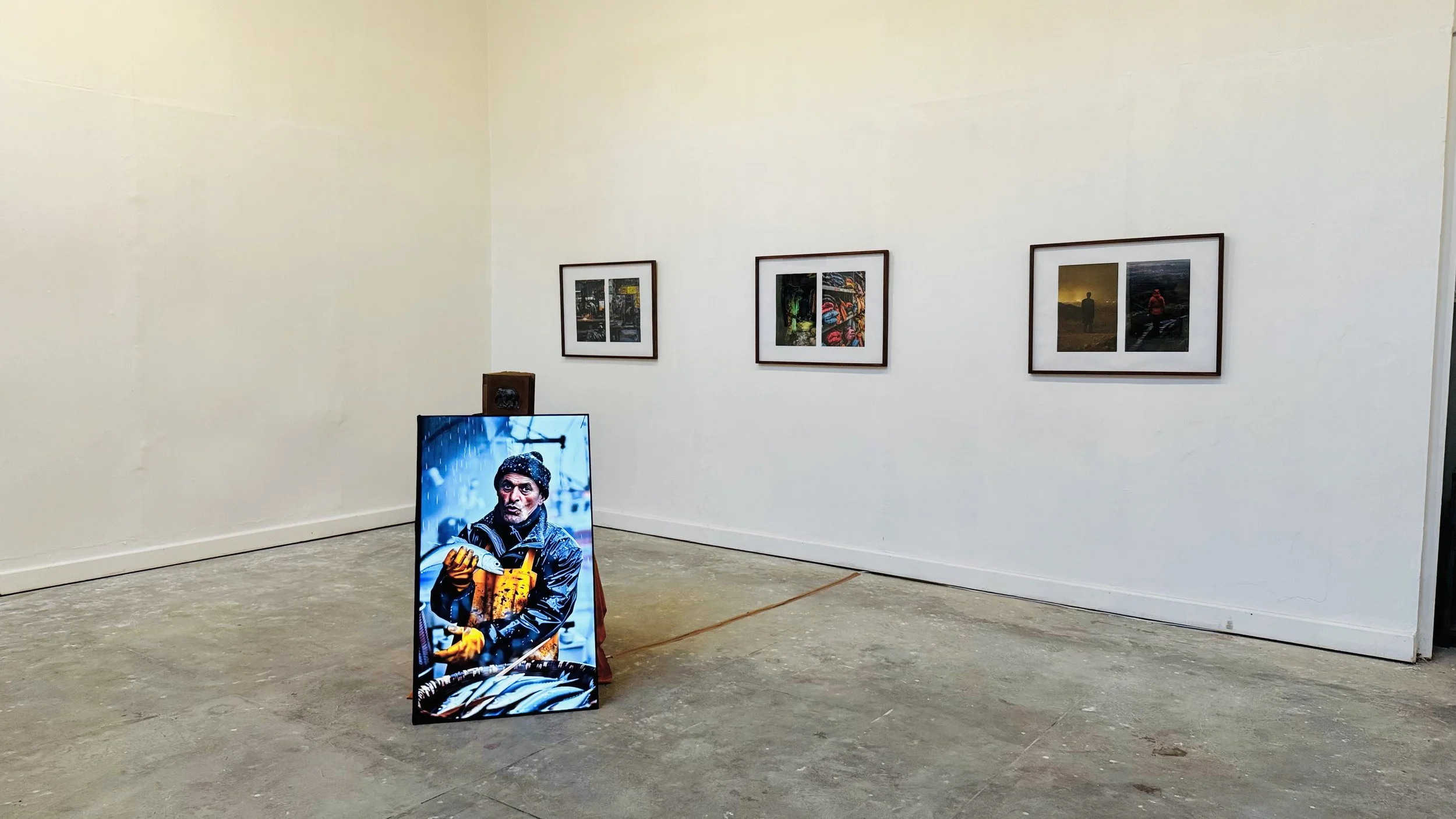
Factory weather| blackburn museum
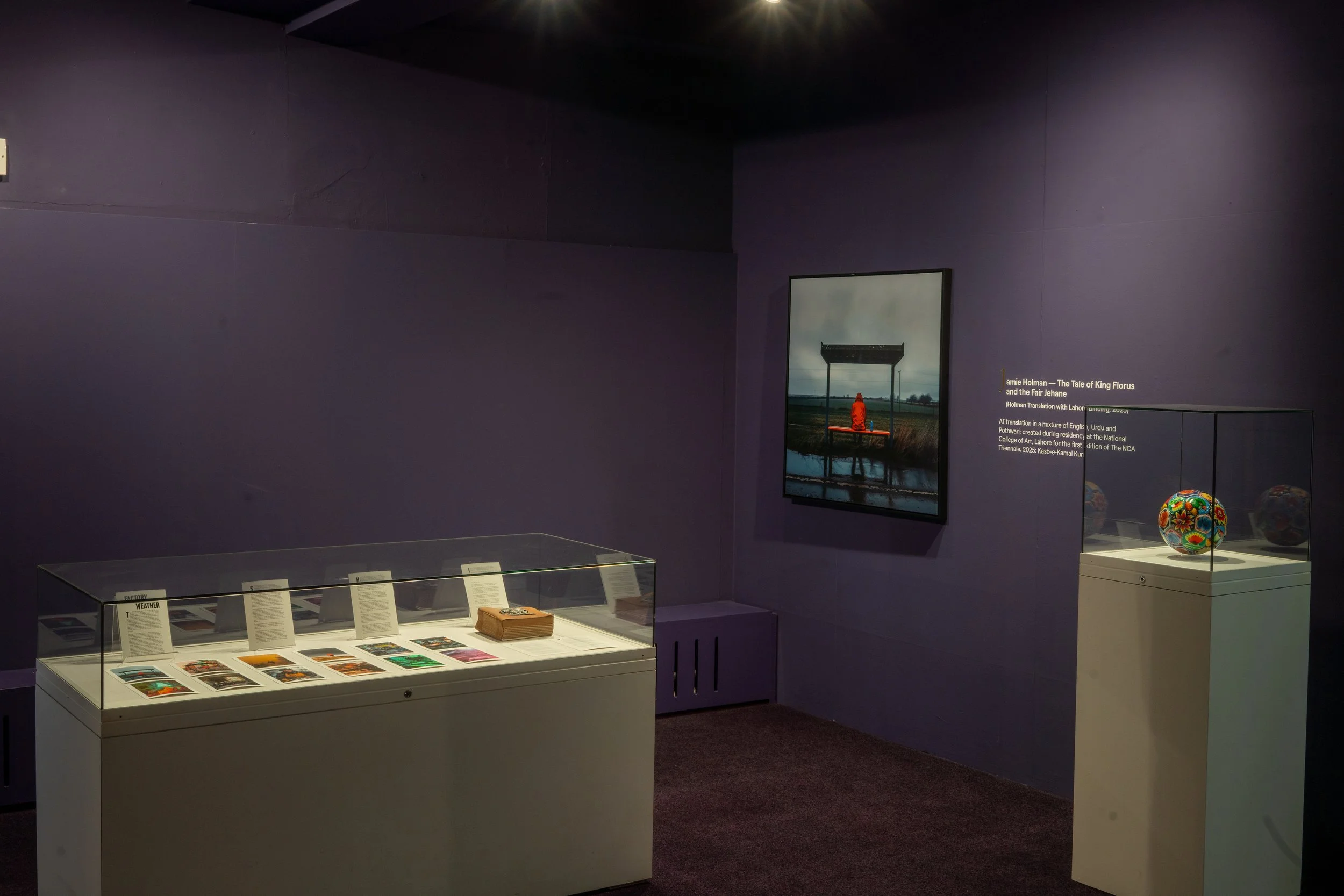
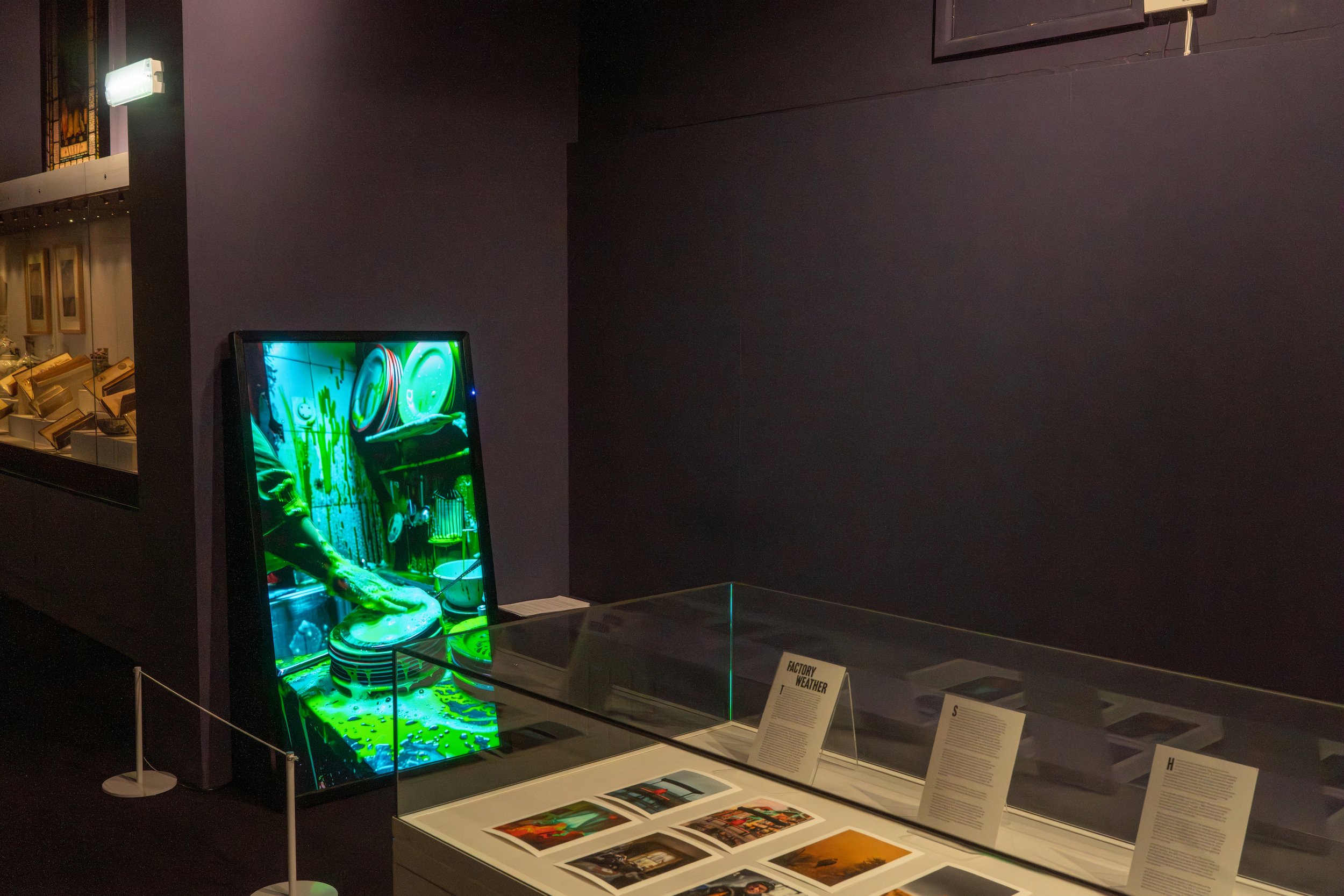
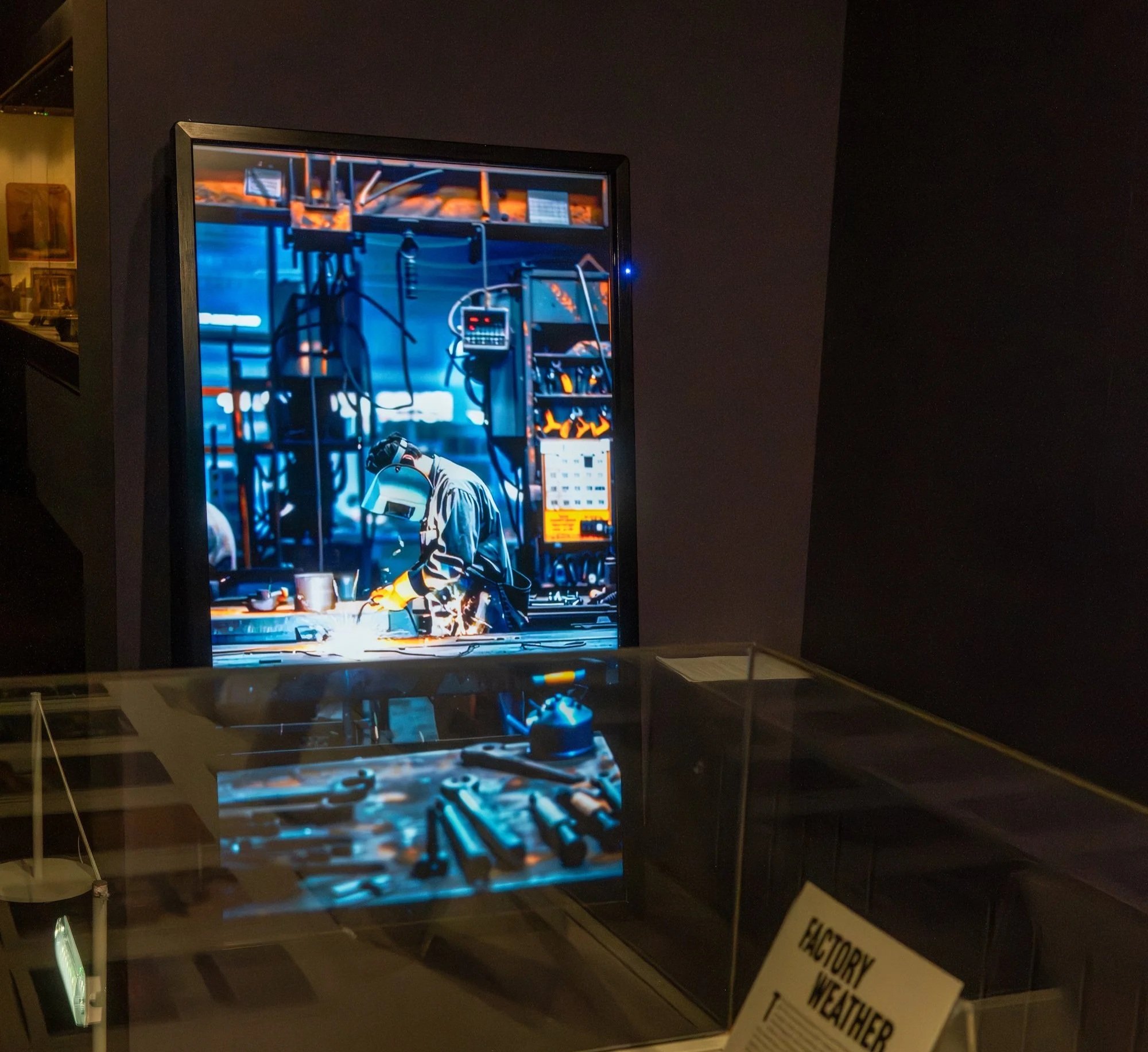
What appears at first as an ordinary sporting object opens out into a wider story of manufacture, labour, empire, migration and cultural exchange.
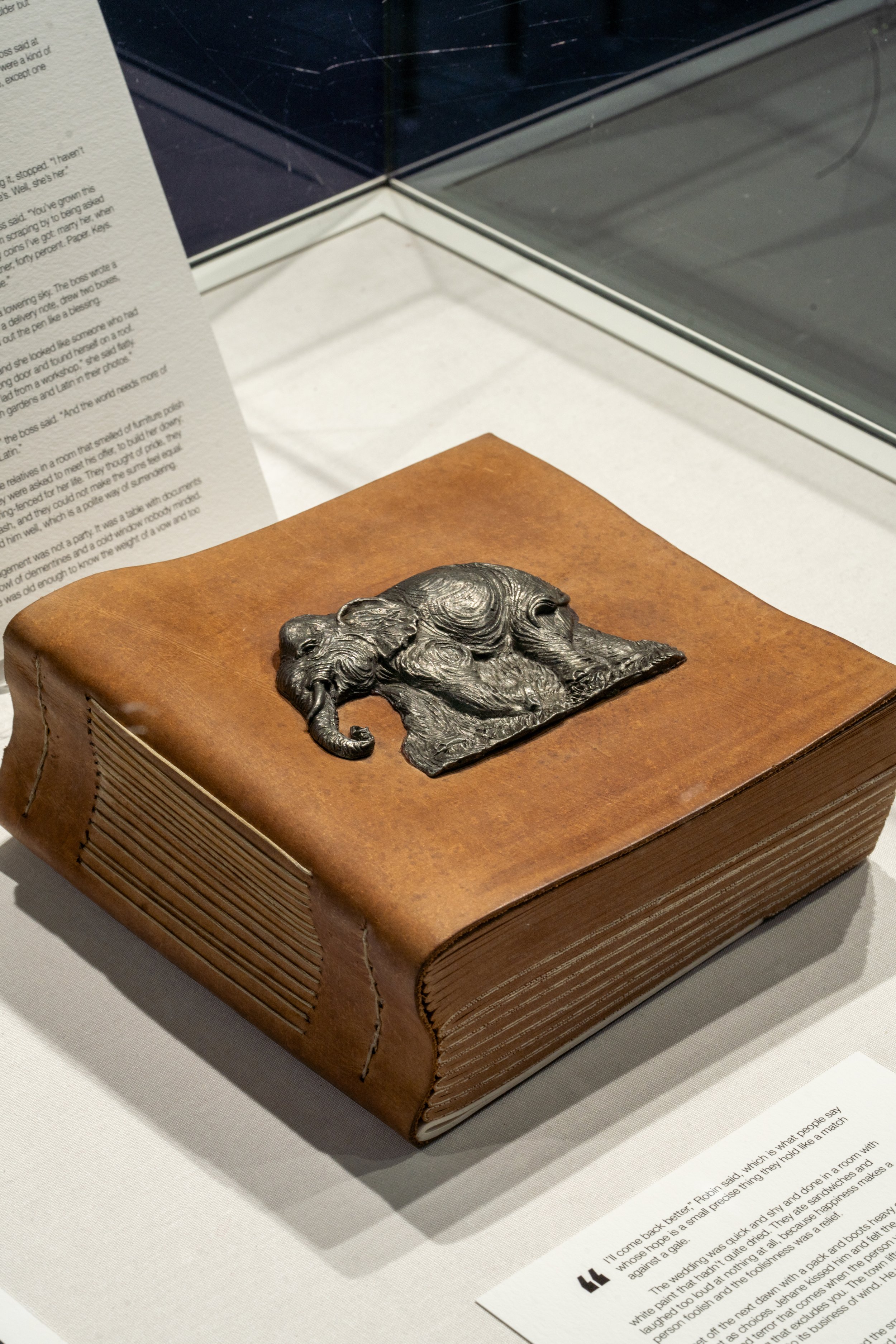
One that connects Lancashire’s mills to South Asia’s craft industries, and Blackburn to Lahore. Thisenquiry developed through engagement with Cynthia Johnston’s research into Blackburn Museum’s Hart Collection, and through the curatorial work of Anthea Purkis on the landmark exhibition The Nature of Gothic. In particular, Holman was drawn to William Morris’s “Tregaskis Bindings”: ornate book covers produced at the end of the nineteenth century, when books were sent across the world to be bound by different artisans in different places. These objects carry within them questions of authorship, translation, skill and movement that remain urgent today.
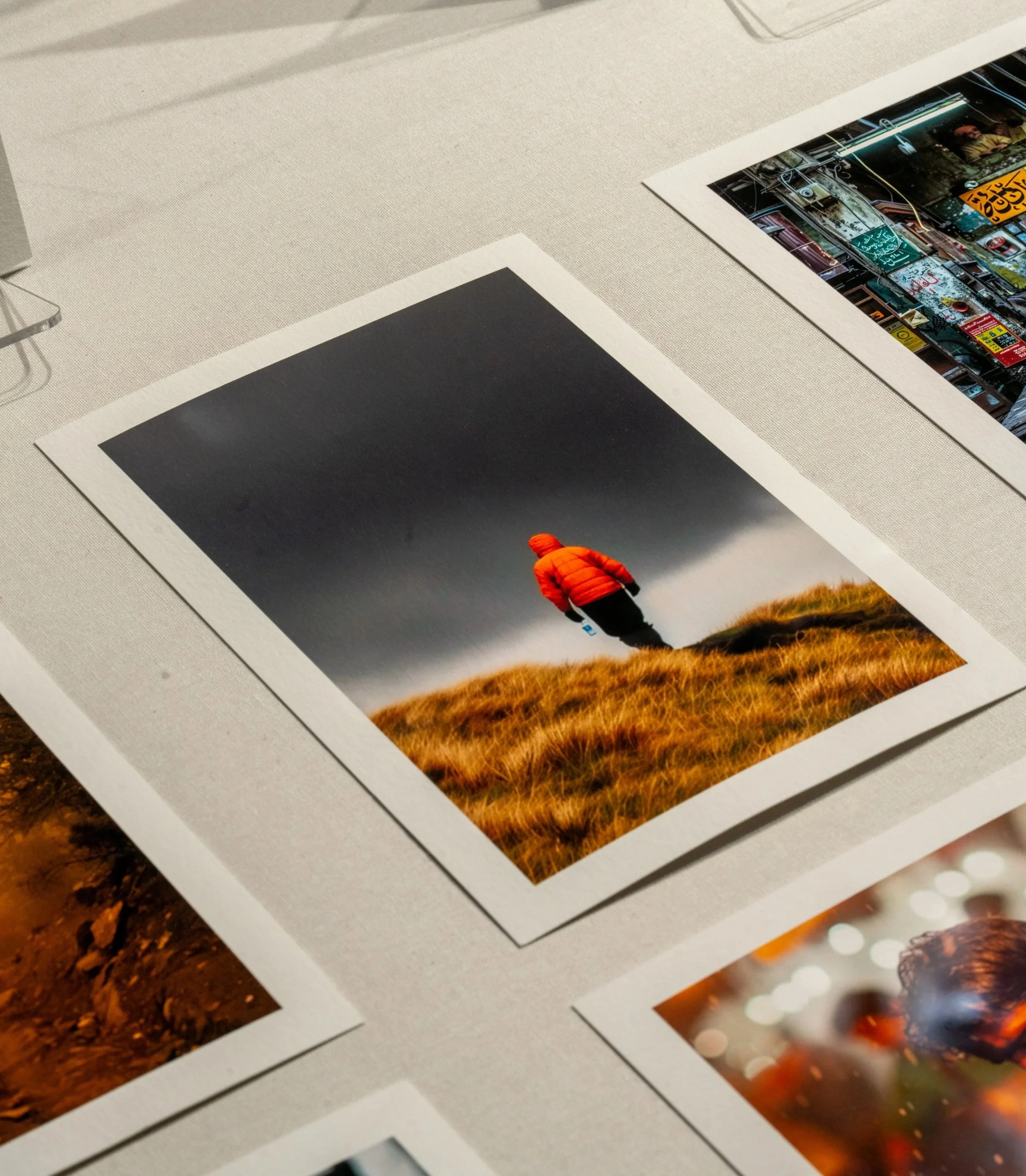
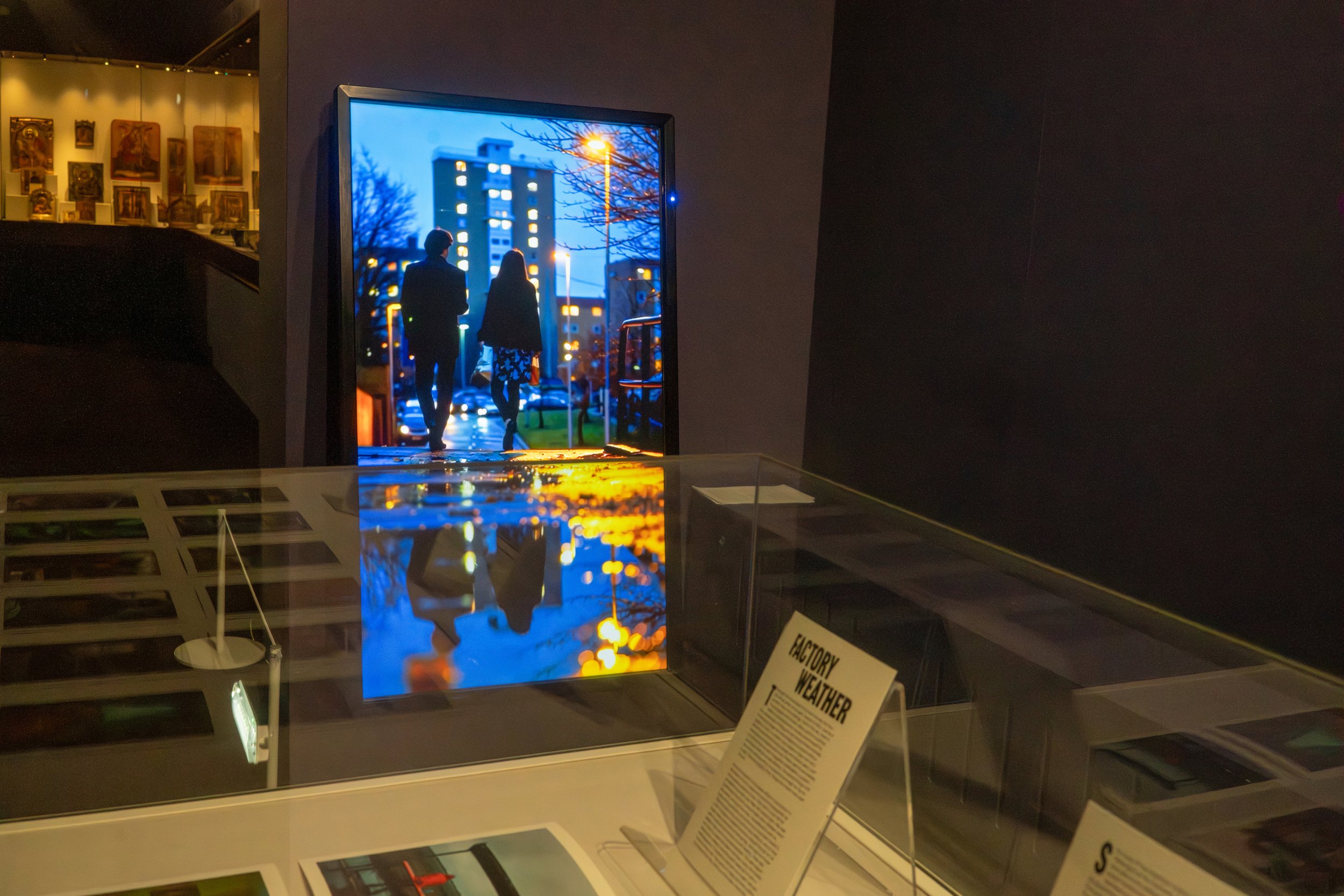
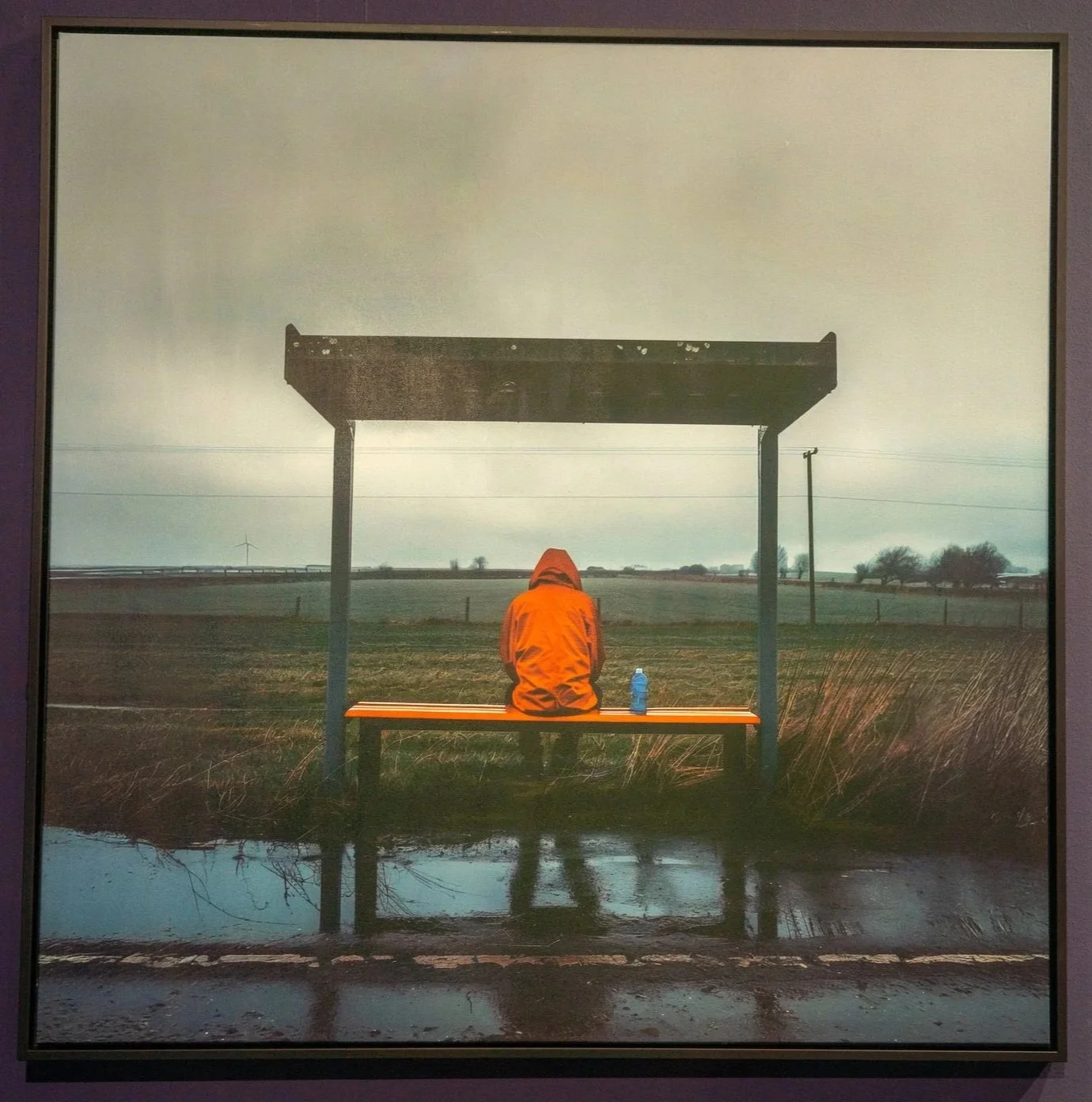
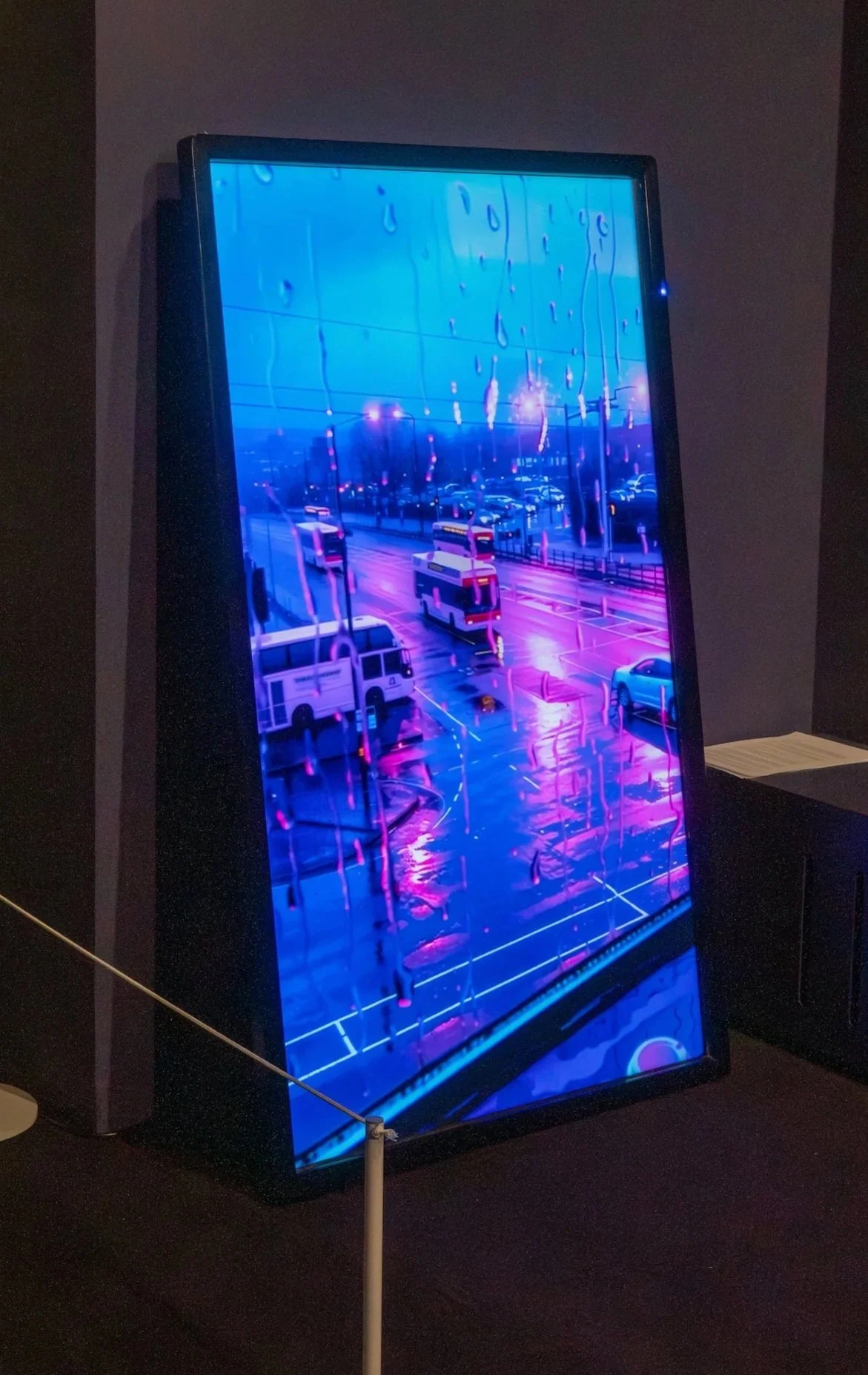
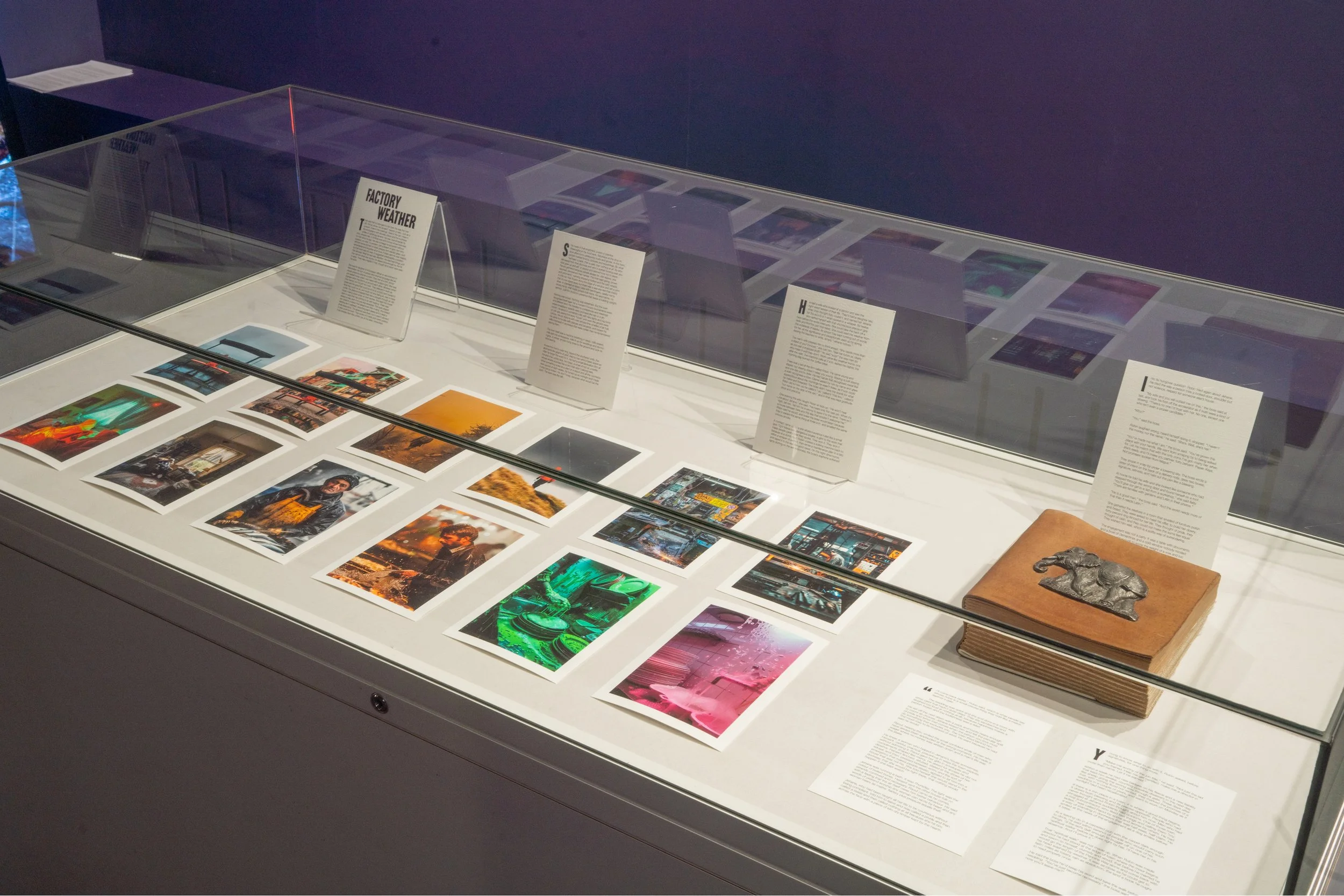
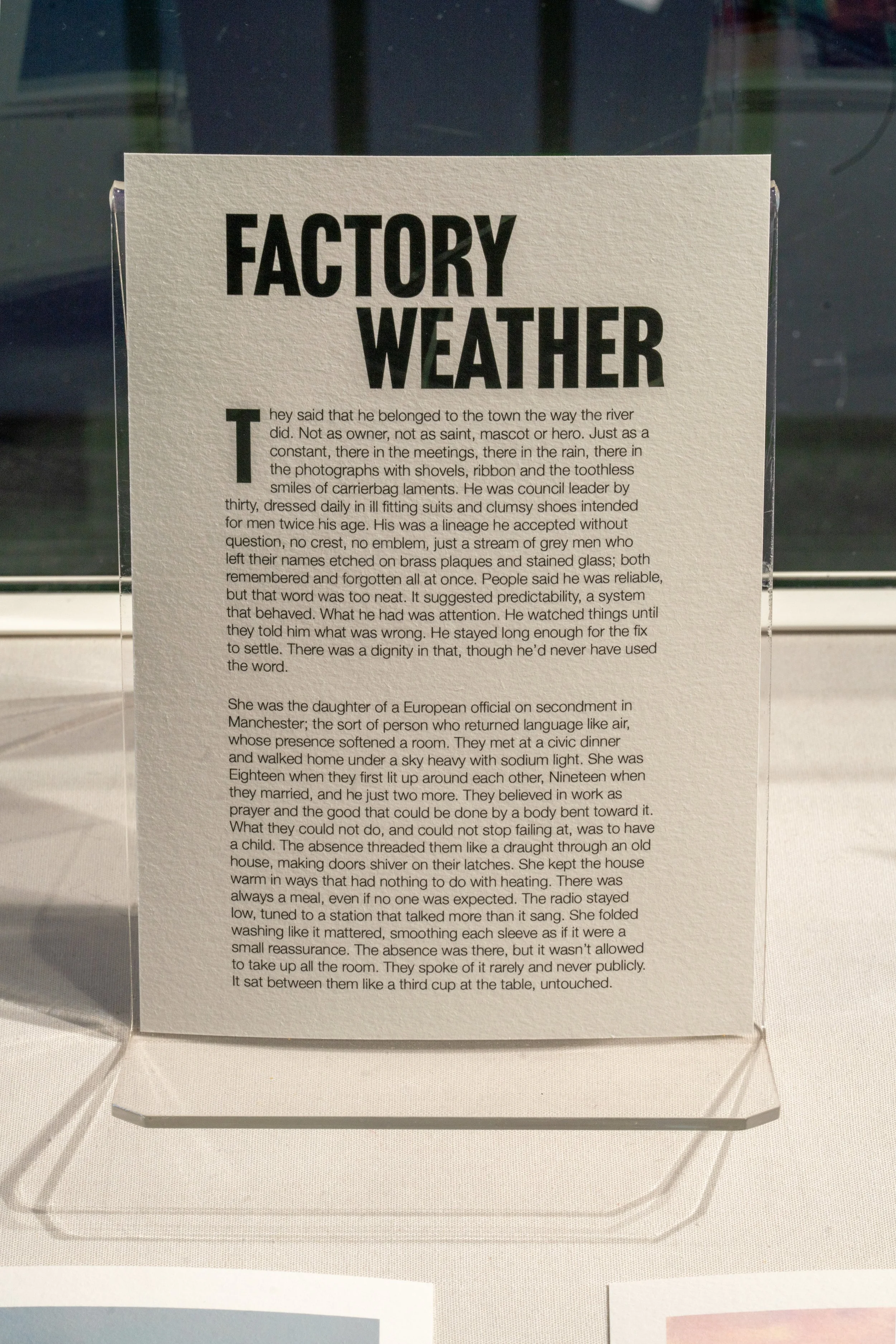
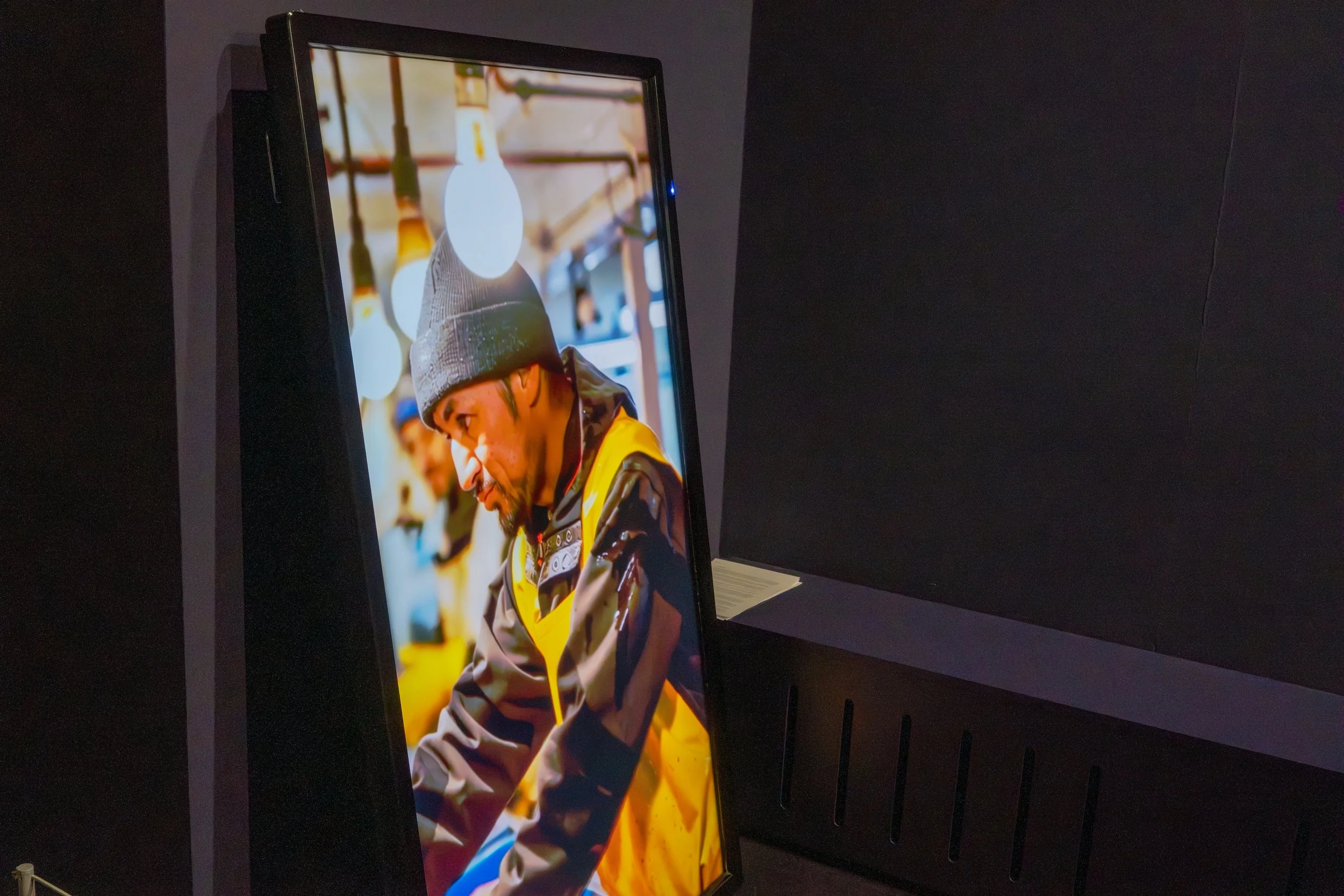
Holman’s response takes the form of a contemporary translation of William Morris’s The Tale of King Florus and the Fair Jehane (1858). Using the poem as a framework, he re-situates the narrative across Lancashire and Lahore, turning it into a sequence of A.I. prompts, through which new images, objects and relationships emerge into the 'deconstructed' book form that is exhibited here as a painting, a film and traditionally printed pages. In this form, the story becomes less a fixed literary text than a working structure for thinking through place, industry, inheritance and exchange.
Commissioned by Blackburn Museum and Art Gallery.
Factory weather The n.c.a LAHORE triennial
Exhibited in…
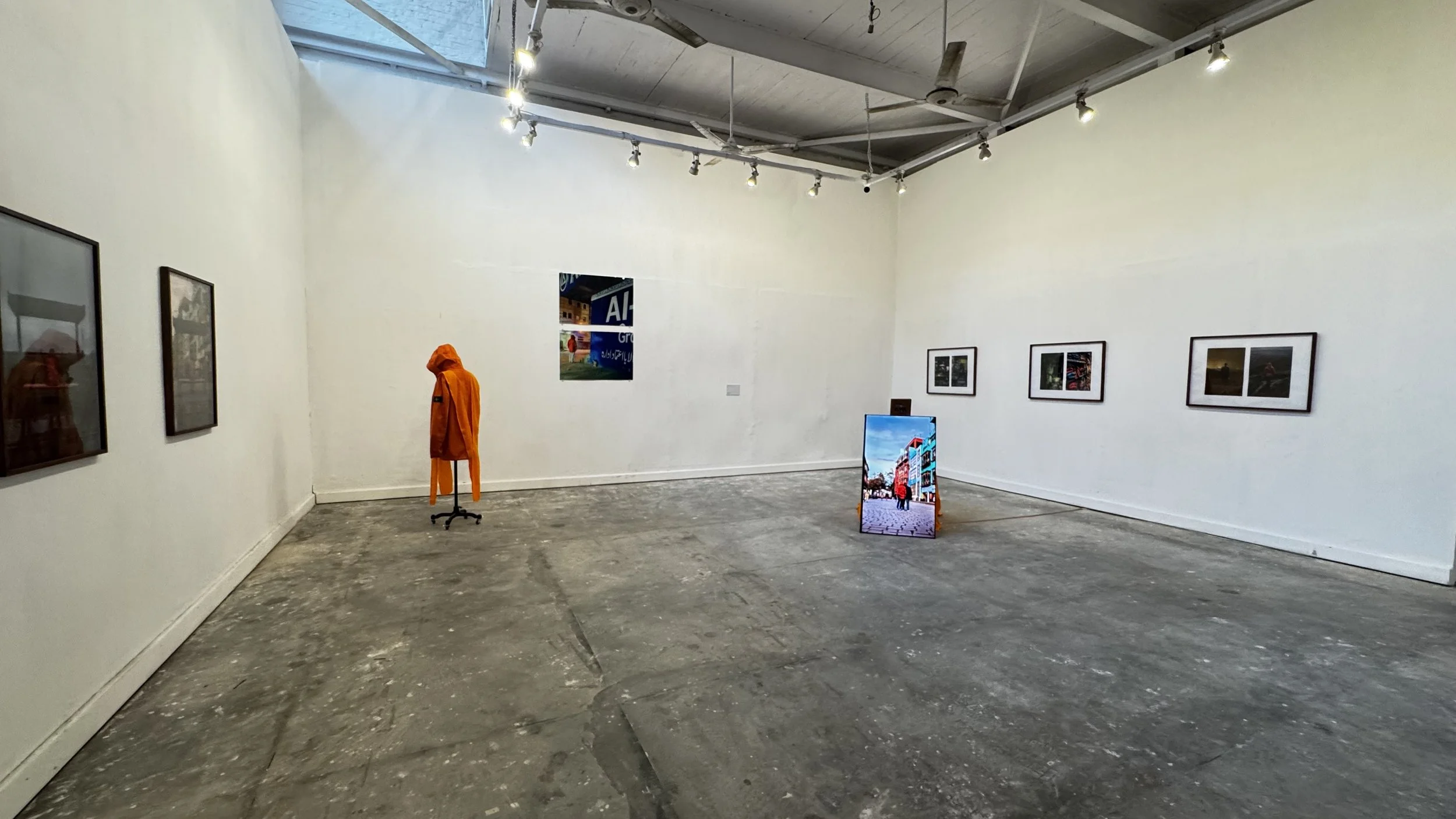
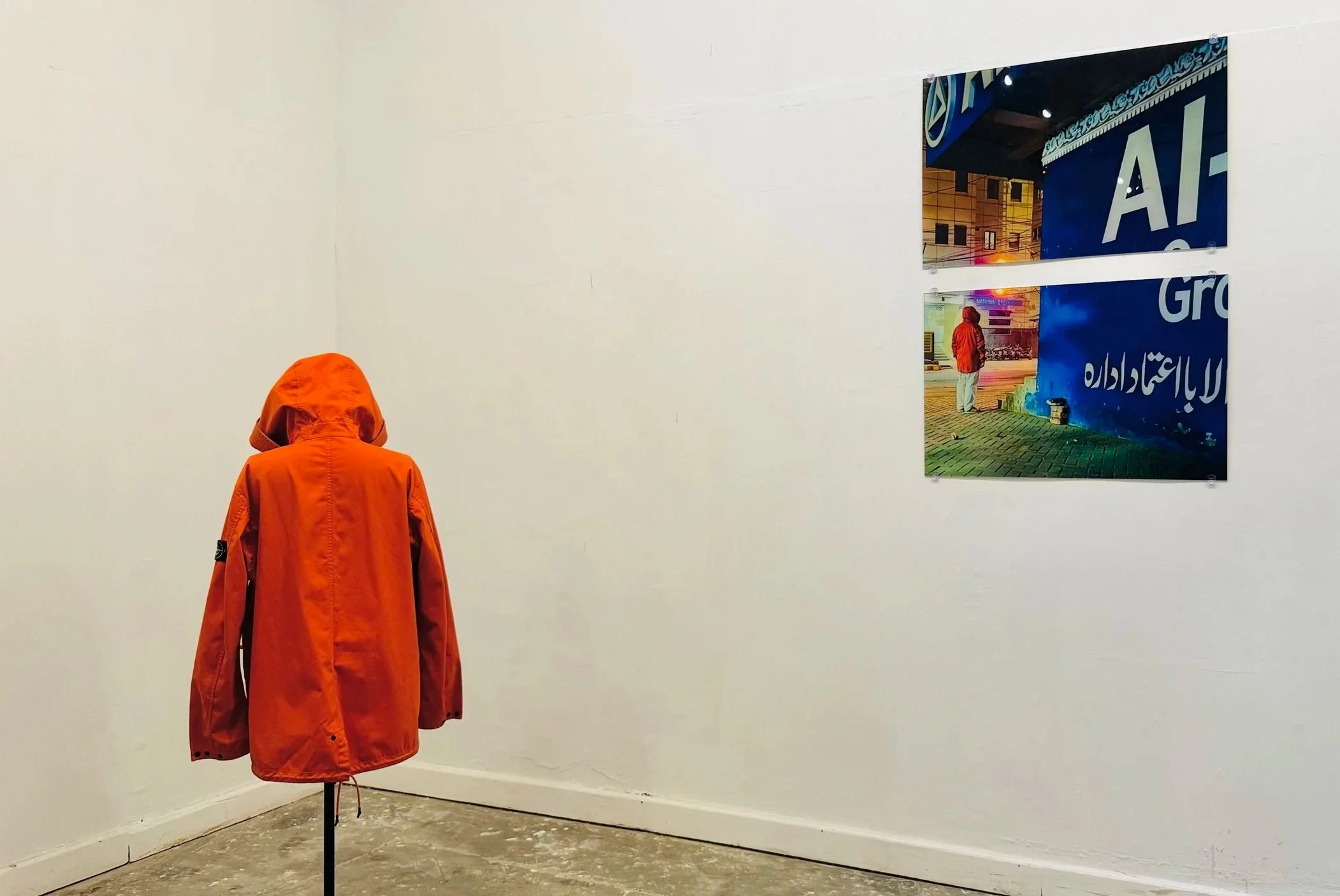
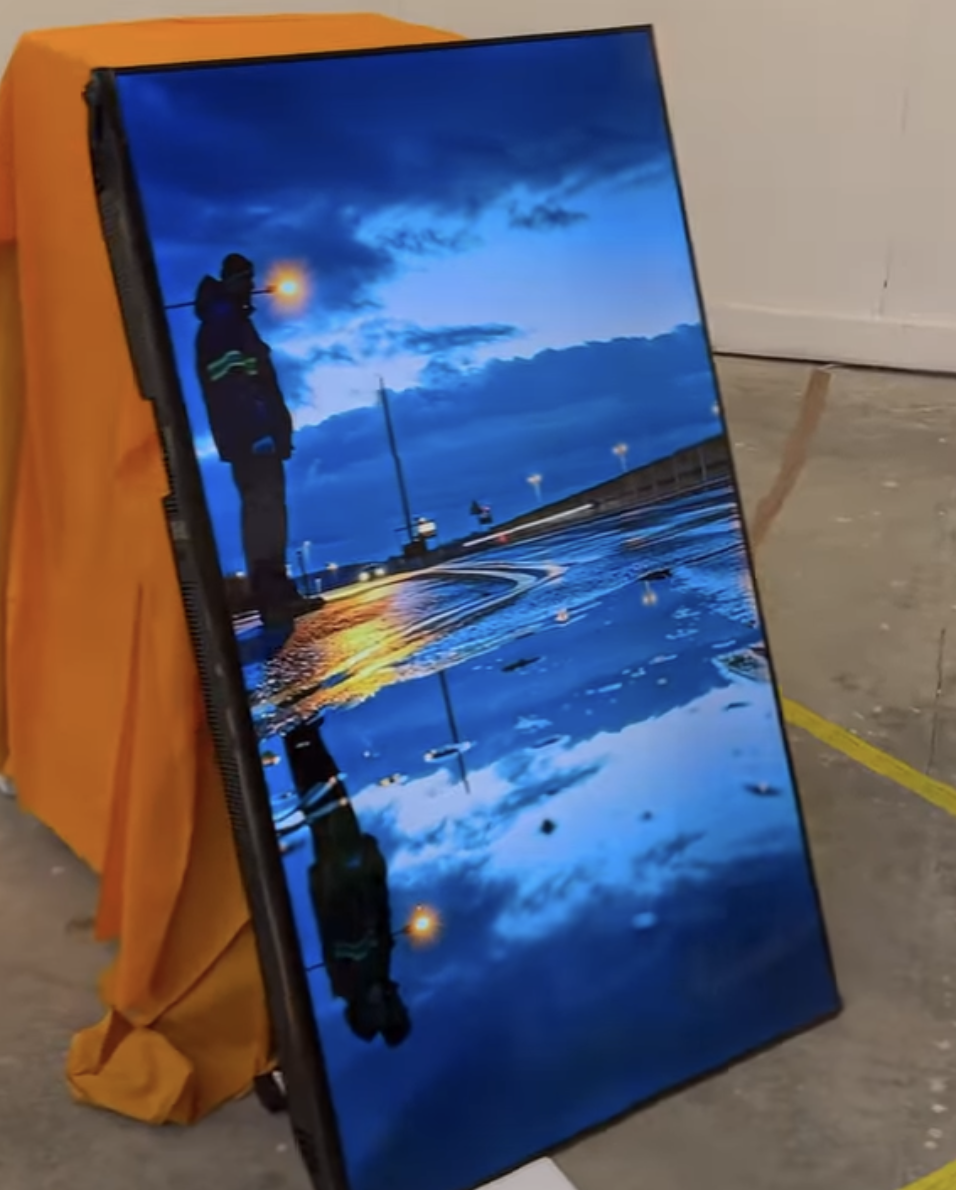
During a residency in Lahore, Jamie Holman re-engaged with a 13th-century romance translated by William Morris for the 1894 International Bookbinding Exhibition.
Unbound copies of the printing were sent across the globe to be finished by local artisans, at the height of the Arts and Crafts movement. Holman has re-written Morris’s text, creating a contemporary translation, locating the narrative in Lancashire and Lahore with continuous translations into Urdu, Punjabi and Pothwari alongside a modern English vernacular. The new edition will be bound with artist Ubaid Muhammad Tariq at the National College of Arts, Lahore, fusing Pakistani traditions with my own industrial-heritage sensibilities.
Factory Weather celebrates the ethos of the handmade and making heritage but disrupts the nostalgia that surrounds it, insisting that craft traditions remain living, contested, and open to reinvention. Factory Weather also locates A.I. as a colonial, harvesting proposition that draws upon existing work without understanding or acknowledgement of the source - playfully and at times seriously looking at Morris himself in terms of harvesting and appropriation.
The contrast between the two versions of the text demonstrates the power of the personal in parallel with the digital, both with their own currencies and flaws, but also exposing the colonial, harvesting nature of A.I. - revealing the unlikely parallels between this new technology and William Morris himself.
Performing the ‘book’ as a live work was an unexpected opportunity and reminds us that craft is not a fixed nostalgia, but remains a site for disruption and innovation, again, much like Morris’s own studio; although Jamie Holman certain he would not agree with him on this work.